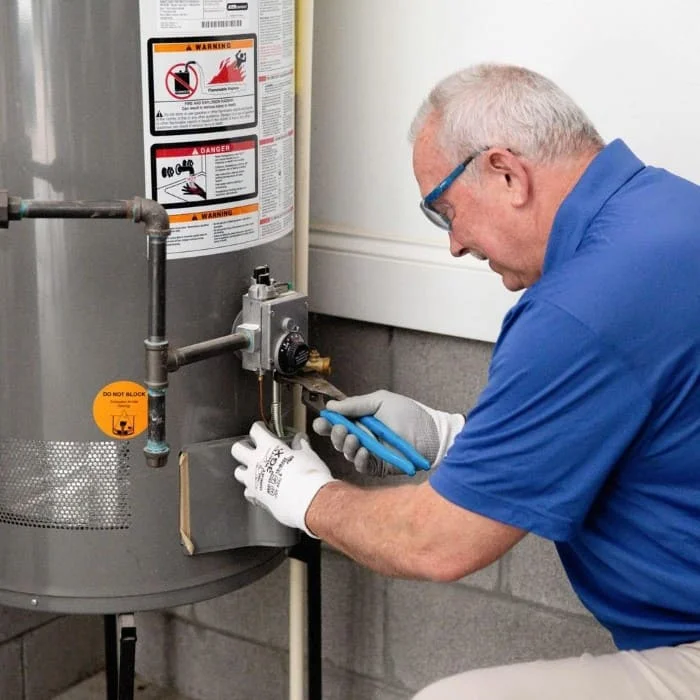
Houston inspectors now use updated food-safety ordinances for retail food businesses. One missed temperature log or a poorly organized service file can create real problems during an inspection — even if your equipment is working fine that day. For any urgent issues, a professional appliance service can inspect and tune your refrigeration systems before inspectors arrive. Staying ready means building good habits now, not scrambling when the inspector walks through the door.
What Houston Health Code Expects from Commercial Refrigeration
Houston requires mechanical refrigeration for storing time/temperature controlled for safety (TCS) foods — dairy, meat, poultry, seafood, and any prepared meals that must be kept cold to prevent harmful bacterial growth. If your unit is already struggling, our commercial refrigerator repair service is available same day across the Greater Houston area.
Houston food-safety rules tie refrigeration standards to equipment sanitation requirements. Your units must hold proper temperatures consistently and remain clean and well-maintained. The city's standards closely follow Texas state food-safety guidelines, so compliance at one level generally means compliance at both.
Temperature Control Standards Every Operator Should Know
Cold holding for TCS foods means keeping them at or below 41°F. That is the non-negotiable benchmark your staff should monitor every single day. Texas food-safety guidance recommends recording temperatures at least every four hours during operating hours — not as a suggestion, but as the standard inspectors use to evaluate whether your operation is serious about food safety.
An inspector reviewing your logs can immediately see whether your team is paying attention or guessing. Inconsistent readings become a compliance red flag even when the equipment is physically working. The numbers tell a story — make sure yours tells the right one.
Temperature Logs: What to Record and Why Inspectors Care
A solid temperature log gives inspectors more than a number — it shows a pattern of control. Every log entry should include:
- Date and shift time
- Unit ID or location
- Temperature reading
- Staff initials
- Any corrective action taken
- Supervisor review signature
A log with no oversight signature suggests nobody is using the data. Inspectors notice. Electronic systems with automatic timestamps are the hardest to challenge during a surprise inspection — consider them if you run a multi-unit operation.
Service Records: The Documentation That Protects Your Business
Inspection-ready businesses keep repair and maintenance records organized by unit — think of it as a medical chart for each piece of equipment. When an inspector asks about the cooler in your prep kitchen, you should be able to pull the file immediately and show exactly what work was done and when.
Common Items to Include in Your Service Records
- Compressor service and testing
- Refrigerant checks and charging
- Door gasket inspections and replacement
- Thermostat calibration and adjustment
- Condenser and evaporator coil cleaning
- Defrost timer and heater checks
- Emergency refrigeration repairs with response dates
Texas environmental recordkeeping requirements can require on-site records proving compliance — including a rolling 12-month set in some regulated contexts. Even if your operation does not fall under those specific rules, maintaining a year of records puts you in a strong position during any inspection.
What Houston Inspectors Are Likely to Look For
During a health inspection, the practical checklist is straightforward. Inspectors want to confirm:
- Safe holding temperatures in all refrigeration units
- Clean equipment with no visible damage
- Functioning door seals on every unit
- Temperature logs and maintenance records ready to produce on the spot
Missing records are treated as a management problem even when temperatures look fine that day. A cooler holding 40°F on inspection day does not erase three months of missing log entries. Both sides of the picture matter equally.
Common Refrigeration Compliance Mistakes
Most compliance problems are not dramatic equipment failures. They are small, avoidable documentation habits that compound into serious issues. Watch for these:
- No written temperature logs at all
- Logs that are illegible or incomplete
- Skipped shifts with no explanation
- Corrective action sections left blank when a reading was out of range
- Overloaded units that cannot circulate cold air properly
- Damaged door gaskets letting warm air in continuously
- Delayed repairs that allow small issues to become major failures
Need Emergency Commercial Refrigeration Repair?
Our Houston-based technicians respond same day. We keep your equipment running — and your inspection score clean.
Call (346) 659-5577 NowHow to Prepare for a Houston Inspection
Preparation is not complicated — it is consistent. Use this pre-inspection checklist:
- Check all refrigeration units at the start of each week and confirm temperature calibration
- Review the last 30 days of temperature logs for completeness
- File all service records by month and equipment name so they are immediately accessible
- Confirm all thermometers are calibrated and accurate
- Assign one staff member per shift to own temperature logging
- Ensure corrective action entries are completed whenever a reading is out of range
Consistent preparation avoids citations that could affect your permit, your score, and your reputation.
When to Call a Refrigeration Service Provider
Service should happen before failure, not after you lose product. If you are waiting for a unit to stop working before calling for help, food safety is already at risk and inspection readiness is already compromised.
Warning Signs in Any Commercial Refrigeration Unit
- Fluctuating temperatures throughout the day
- Frost buildup on evaporator coils or unit walls
- Loud or unusual cycling sounds
- Warm spots inside a walk-in cooler
- Water pooling under or around the unit
- Ice maker not working or producing low output
- Door seals that no longer close firmly
Preventive maintenance is the most affordable form of compliance insurance available. Routine condenser coil cleaning, thermostat checks, refrigerant testing, and door gasket inspections cost far less than emergency repair, product loss, or a failed inspection.
Houston and Surrounding Service Areas
These compliance considerations apply across Houston — Downtown, Midtown, the Medical Center, the Energy Corridor, Sharpstown, Greenspoint, Bellaire, and surrounding neighborhoods. Restaurants, grocery stores, convenience stores, commercial kitchens, and food-service facilities throughout Harris County and neighboring areas all face the same basic inspection framework. Learn more about our Houston refrigerator repair services.
We serve the full Greater Houston region and are ready to respond fast when you need refrigeration repair or preventive service before an inspection.
Frequently Asked Questions
What temperature should a commercial refrigerator stay at for food safety?
Commercial refrigerators holding TCS foods must maintain temperatures at or below 41°F. Freezer units must hold 0°F or below. If your unit struggles to hold these temperatures consistently, schedule a service check before your next inspection.
How often should temperature logs be completed?
Texas food-safety guidance recommends logging temperatures at least every four hours during operating hours. Build it into opening, midday, and closing routines. More frequent entries strengthen your documentation significantly.
What service records should I keep for inspections?
Keep records of all repair work, preventive maintenance visits, refrigerant service, gasket replacements, thermostat calibrations, coil cleanings, and emergency repairs. Organize them by unit and by date. Maintain at least 12 months on site and ensure they are immediately accessible.
Do Houston inspectors ask for maintenance records?
Inspectors can and do request service documentation — particularly when equipment shows signs of wear or temperature readings are close to the safe limit. Having organized records ready immediately shows your operation treats refrigeration as a food-safety issue, not just a mechanical one.
What happens if my fridge temperature rises during service hours?
If a unit rises above 41°F, act immediately. Move TCS foods to a functioning unit, document the temperature deviation and corrective action in your log, and call a refrigeration service provider for same-day emergency repair. Never continue holding TCS foods in a unit that cannot maintain safe temperatures.
Does this apply to restaurants, grocery stores, and convenience stores?
Yes. Any Houston food business that stores, prepares, or sells TCS foods — including full-service restaurants, quick-service operations, grocery stores, convenience stores, food trucks, and commercial catering kitchens — is subject to these requirements. The size of the operation does not change the standard.